CARAGA
REGION XIII · PHILIPPINES
From the freshest seafood pulled from the Philippine Sea to sticky rice cakes wrapped in banana leaves — Caraga's cuisine is a rich blend of Visayan, indigenous, and coastal Filipino flavours.
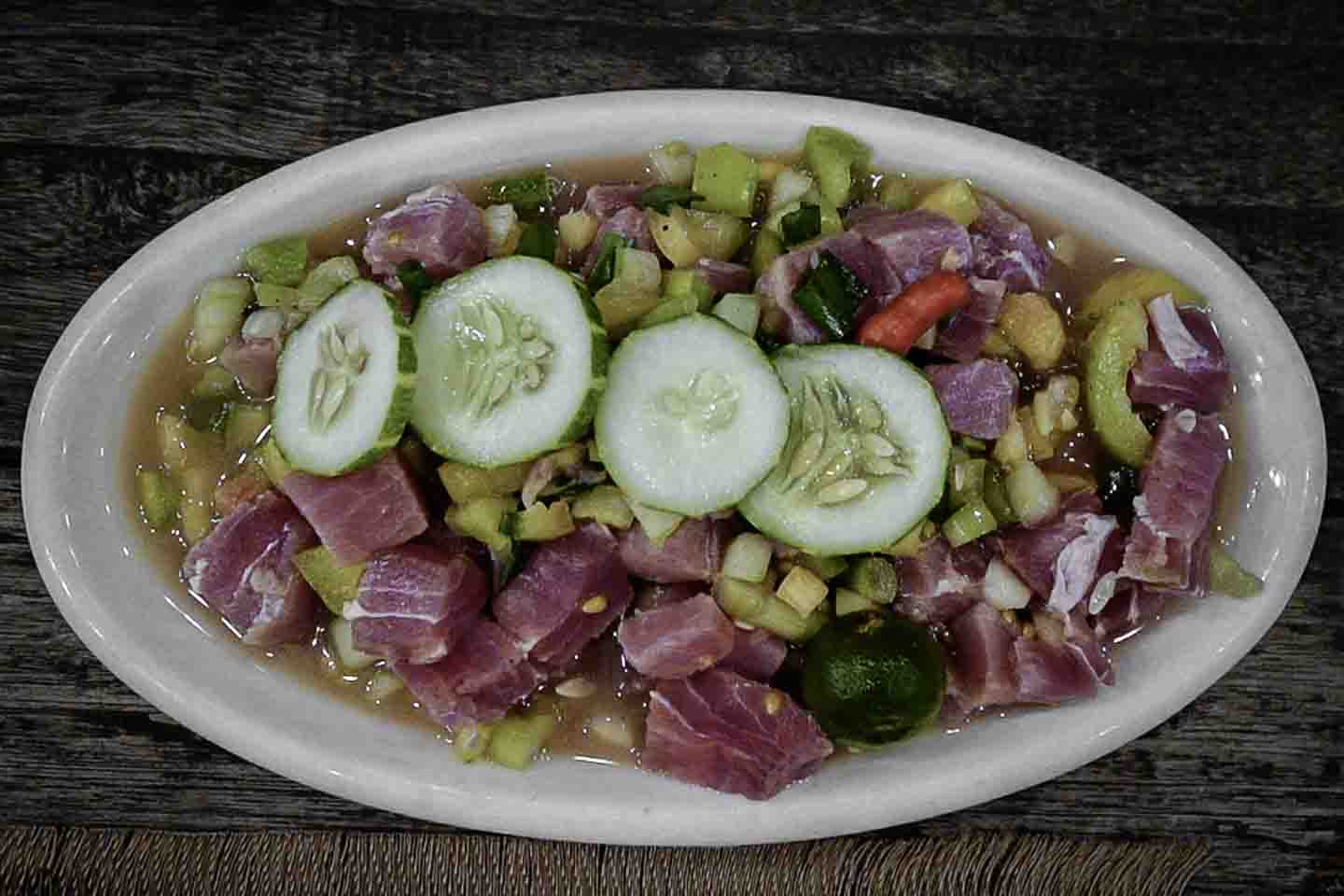
Caraga's most iconic dish — fresh raw fish "cooked" in native cane vinegar (sukang tuba), calamansi, ginger, onions, chilli, and coconut milk. The acid from the vinegar denatures the fish proteins, producing a silky texture that is technically "cooked" without heat.
In Caraga, kinilaw is not just food — it is a ritual of freshness. The fish must be caught the same morning, and each family has its own secret balance of ingredients passed down through generations.
A culinary tour through the flavours that define Caraga — from the coast to the highlands, from the sea to the forest.
 Seafood
Surigao del Norte
Seafood
Surigao del Norte
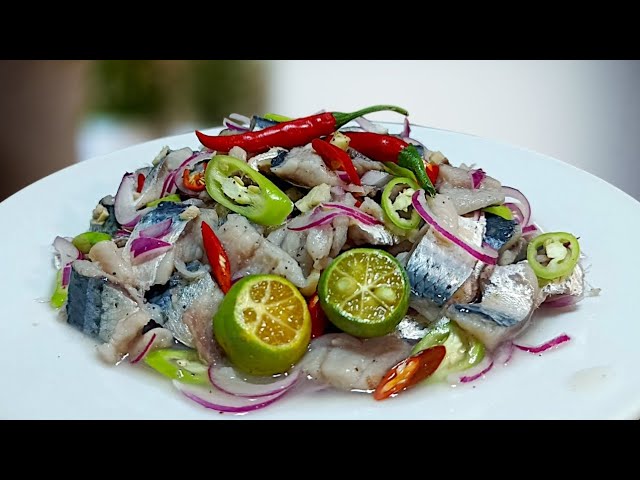
Fresh raw fish marinated in native cane vinegar, calamansi juice, ginger, red onion, chilli, and coconut milk. The defining dish of Caraga's coastal cuisine — best eaten within hours of the catch.
 Seafood
Agusan del Sur
Seafood
Agusan del Sur
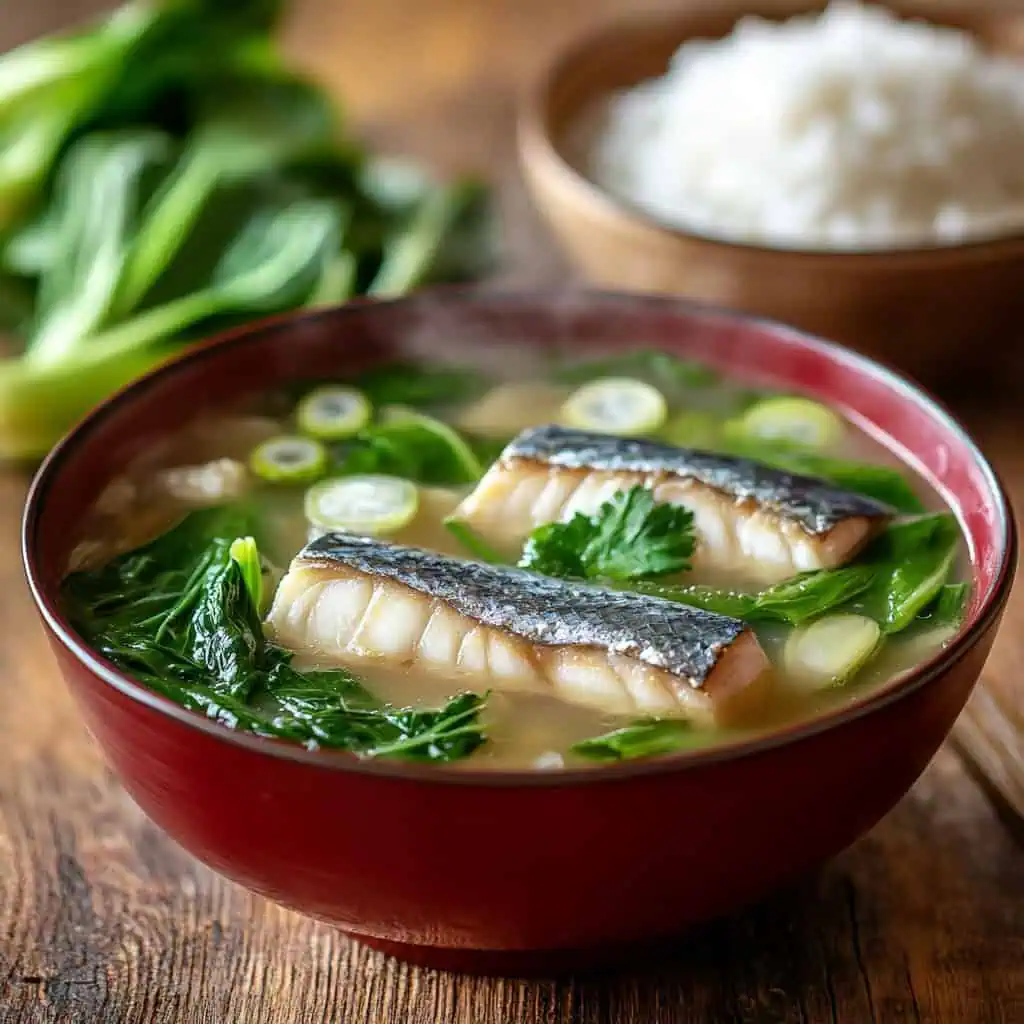
A hearty soup of freshwater fish, river prawns, or mudfish simmered in a tangy broth of batwan fruit and lemongrass. An Agusan River basin staple beloved by the Manobo and Banwaon communities for generations.
 Savoury
Agusan del Norte
Savoury
Agusan del Norte
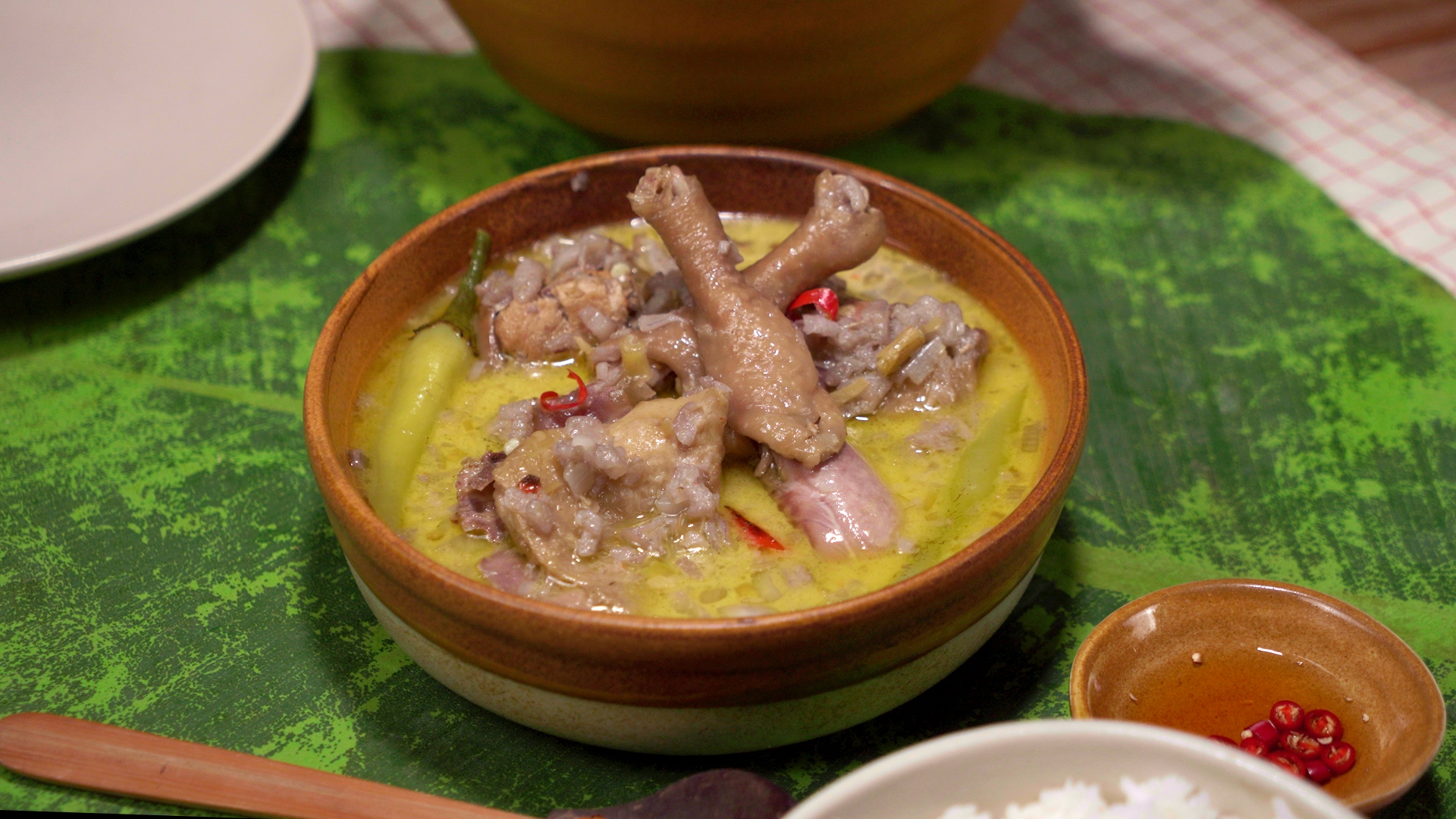
Chicken slow-cooked inside a young bamboo tube over an open fire. The bamboo infuses the chicken with a subtle smoky sweetness while the meat stays incredibly moist and tender. A traditional Manobo feast dish served during celebrations and rituals.
 Savoury
All Provinces
Savoury
All Provinces
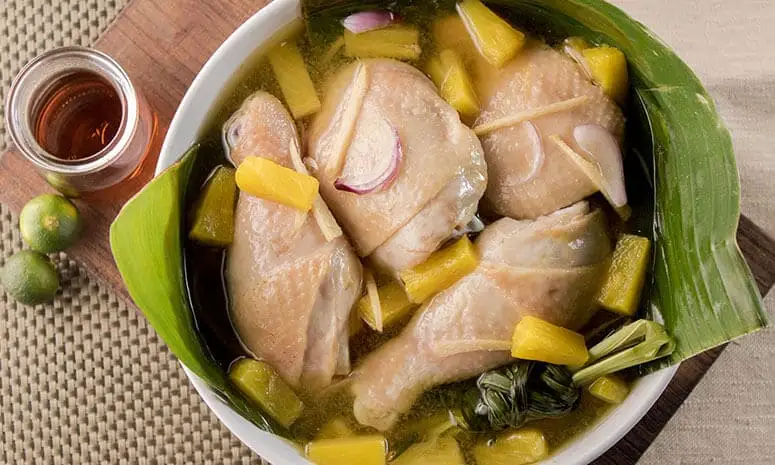
Chicken stuffed with lemongrass, ginger, spring onions, and garlic, then wrapped tightly in banana leaves and slow-steamed. The banana leaf seal creates a natural pressure cooker, trapping all the aromatic flavours inside the tender, fragrant chicken.
 Kakanin
Surigao del Norte
Kakanin
Surigao del Norte
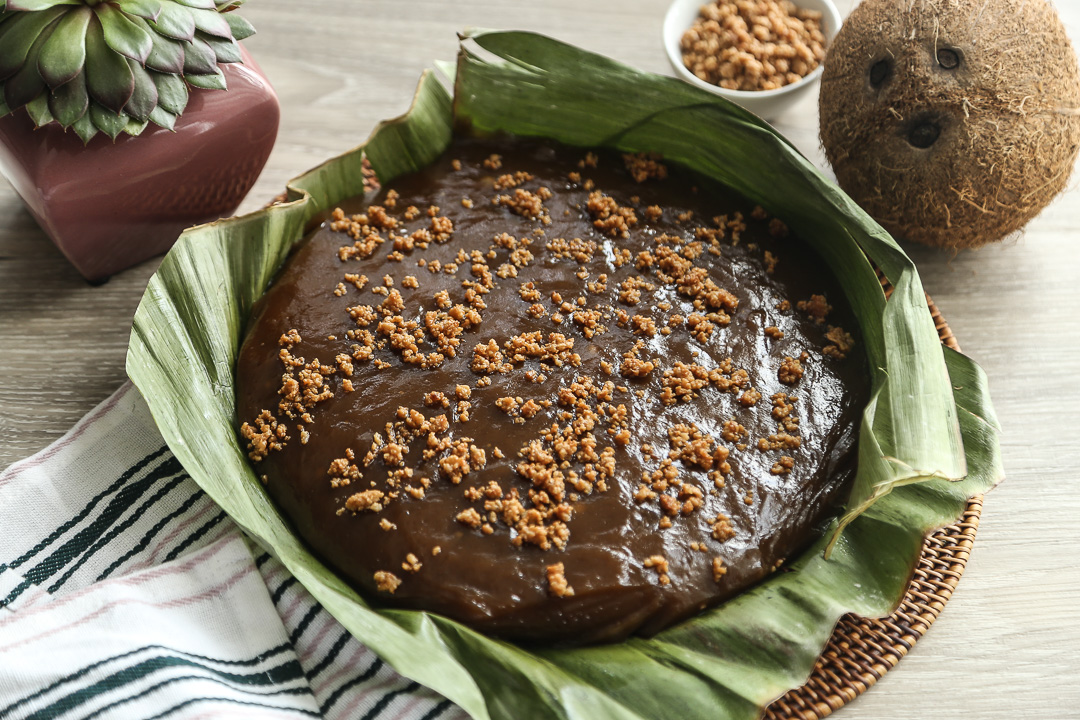
A thick, sticky sweet made from ground glutinous rice, coconut milk, and brown sugar (panutsa), slow-cooked in a kawali until it becomes a dense, glossy paste. Surigao del Norte's version is particularly rich, often served in coconut shells as a festive gift and pasalubong.
 Kakanin
Agusan del Norte
Kakanin
Agusan del Norte
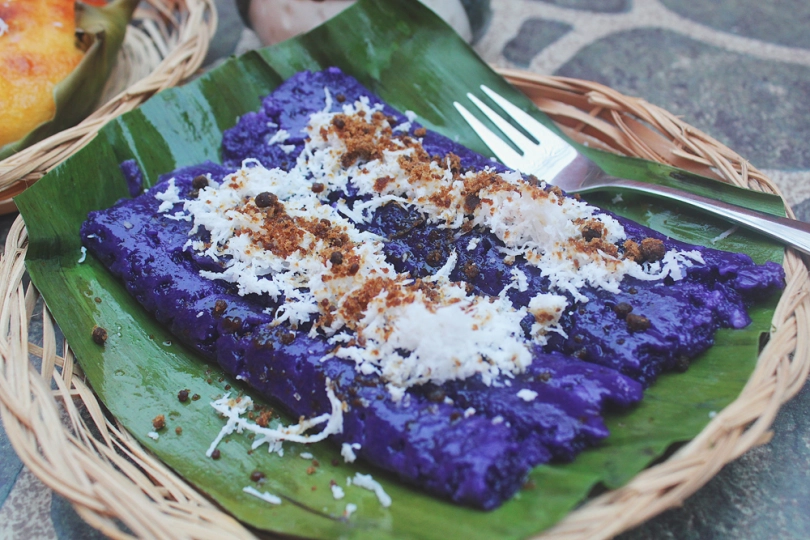
Steamed rice cakes made with grated taro (gabi), giving them a distinctive purple-grey hue, mild earthy sweetness, and a denser, chewier texture than regular puto. Often topped with salted egg or grated coconut — a popular merienda and fiesta staple across Agusan del Norte.
 Kakanin
Surigao del Sur
Kakanin
Surigao del Sur
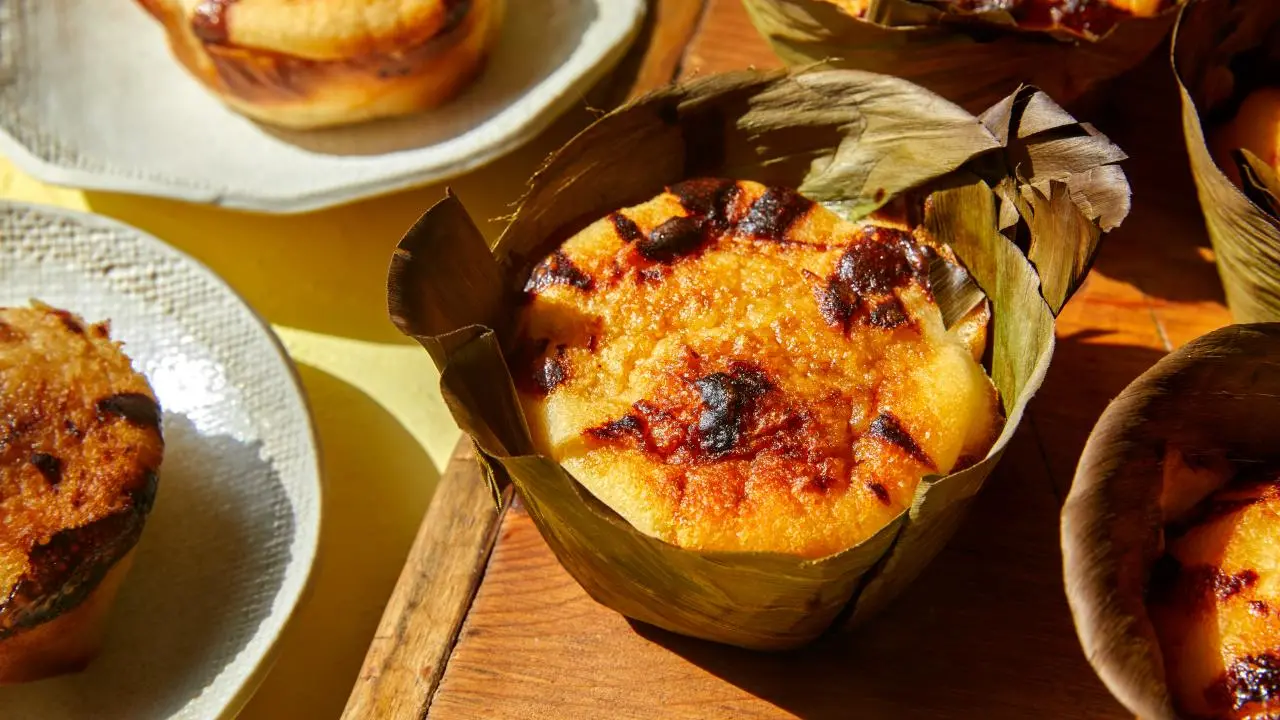
Glutinous rice cake baked inside a coconut shell half — the shell acts as the baking mould and imparts a gentle smoky coconut aroma to the cake. Topped with fresh grated coconut and drizzled with coconut cream. A unique Surigao del Sur variation found at roadside markets and fiestas.
 Rice
Agusan del Sur
Rice
Agusan del Sur
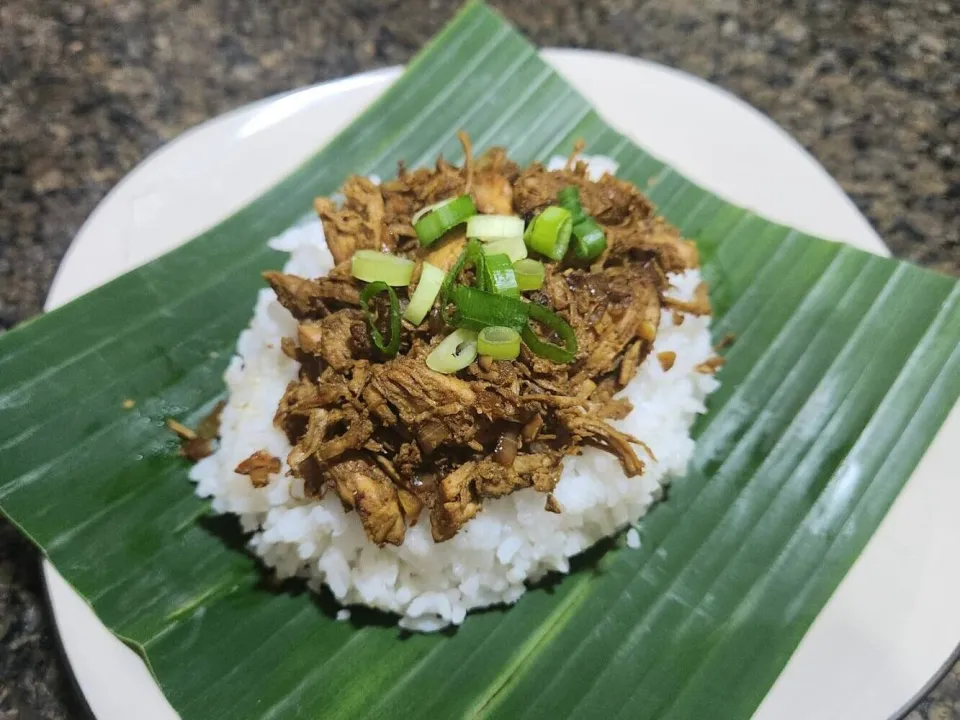
Steamed white rice topped with seasoned flaked chicken or fish, wrapped tightly in a banana leaf into a neat cylinder. A beloved, portable street food found in the morning markets of Agusan del Sur — filling, affordable, and deeply flavourful. Popular among students and workers as a quick breakfast.
 Savoury
Region-wide
Savoury
Region-wide
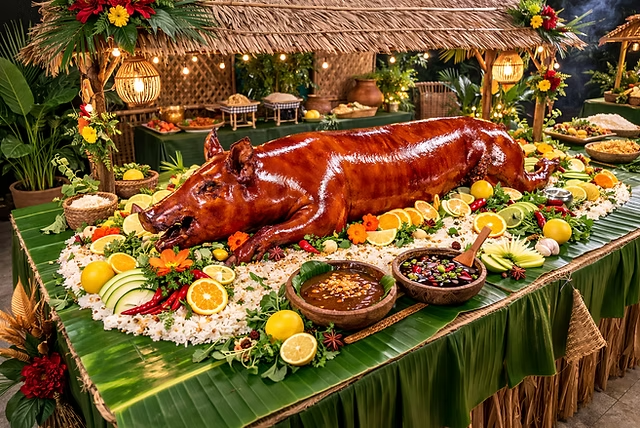
Whole roasted pig stuffed with local herbs — batuan leaves, lemongrass, tanglad, and spring onions — then slow-roasted over charcoal until the skin blisters to a deep mahogany crackle. Caraga's version is known for its more herbaceous, tangy flavour compared to Cebu-style lechon.
 Seafood
Agusan del Sur
Seafood
Agusan del Sur
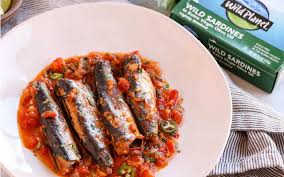
Lake Mainit is home to endemic freshwater sardines (tawilis-like fish) found nowhere else in the world. Cooked simply — fried crispy with garlic and vinegar, or slow-stewed in tomatoes — they are prized for their delicate, rich flavour. A proud regional delicacy gaining national attention.
 Savoury
Surigao del Norte
Savoury
Surigao del Norte
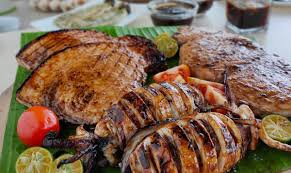
Freshly caught tuna, tanigue, or lapu-lapu grilled whole over coconut husk charcoal, served with a dipping sauce of sukang tuba, soy, and sili. In Siargao, the fish is sourced minutes from the grill — the freshness of the catch and the flavour of the coconut smoke are inseparable from the experience.
 Sweet
Dinagat Islands
Sweet
Dinagat Islands
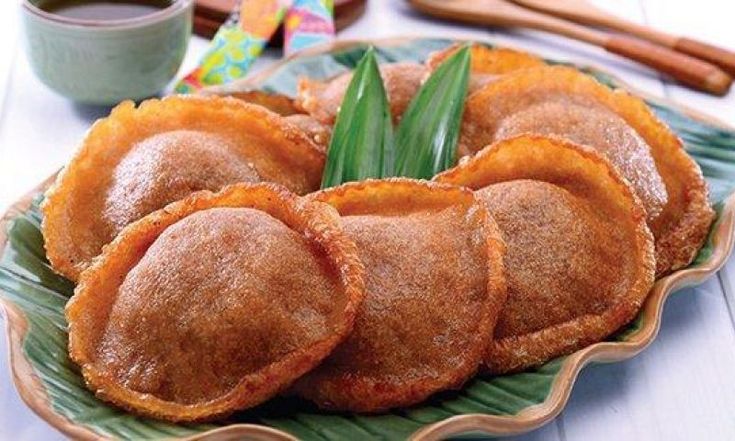
A traditional fried rice cake made from glutinous rice flour, coconut milk, and brown sugar — pan-fried in coconut oil until crisp and golden on the outside while remaining soft and chewy inside. A beloved snack of the Dinagat Islands and Surigao del Norte coastal communities, served warm with hot coffee.
 Drink
Agusan del Sur
Drink
Agusan del Sur
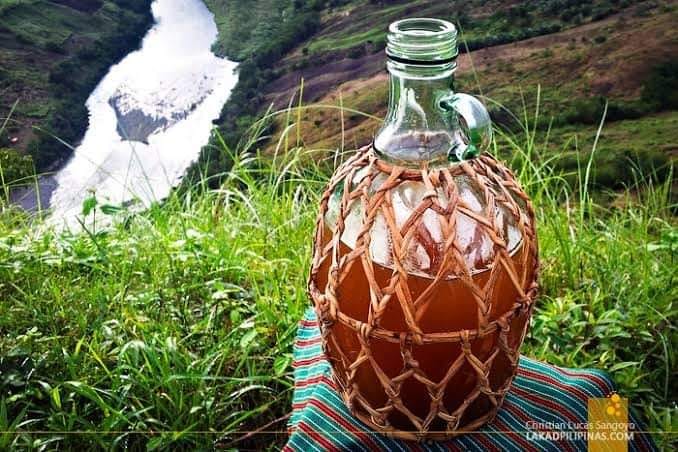
A traditional fermented rice wine brewed by the Manobo and Banwaon peoples of Agusan del Sur. Made from glutinous rice fermented with bubod (natural yeast starter) for several days, tapuy has a mild, slightly sweet, lightly effervescent character. It is central to indigenous rituals, peace pacts, and ceremonial offerings.
 Drink
Surigao del Norte
Drink
Surigao del Norte
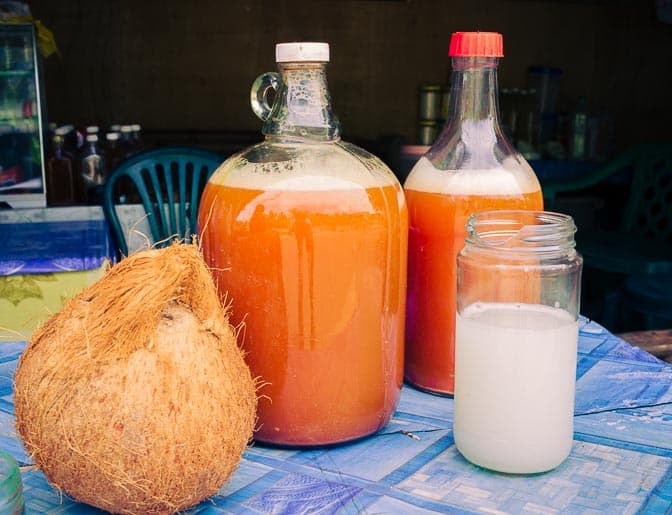
Fresh sap tapped daily from the flower stalks of coconut palms, collected in bamboo containers. Tuba is the everyday communal drink of coastal Caraga — sweet and mild when fresh in the morning, progressively more alcoholic and tangy as the day progresses. When aged with barok (mangrove bark), it becomes sukang tuba — Caraga's signature native vinegar used in kinilaw.
From bustling public markets to waterfront seafood restaurants and hidden local karinderyas — here's where to find the best of Caraga's food scene.
The heart of Butuan's food scene. Fresh tuna, lapu-lapu, river prawns, and local produce alongside kakanin stalls selling kalamay and puto gabi. Arrive before 7 AM for the best selection straight off the fishing boats.
A string of open-air seafood restaurants and grilling stalls along the Surigao City waterfront. The perfect setting for sinugbang isda and kinilaw with views of the Surigao Strait. Best visited at sunset when the grills are lit.
Siargao's restaurant scene has exploded — from bamboo beachfront shacks serving freshly grilled tuna to Instagrammable cafés. Don't miss the local kinilaw served at dawn at the General Luna wet market, or the seafood platters at Brgy. Catangnan shoreline eateries.
Staying with Manobo host families in the Agusan Marsh offers the most authentic food experience in Caraga. Sinalaw, inubarang chicken, and river fish dishes cooked over wood fires on floating houses — food that cannot be found anywhere else on earth.
The provincial capital of Surigao del Sur has a thriving row of local karinderyas (home-style eateries) near the public market. Look for tinuom, kinilaw, and bibingka sa bao — honest, home-cooked food at prices that will surprise you. The rice here, grown locally, is exceptional.
Bislig City's night market near the Baywalk comes alive after sunset — isaw, grilled seafood, barbeque, fresh kinilaw, and local kakanin stalls. It's also the best place to try panyalam and freshly harvested tuba from local coconut farms in the surrounding barangays.
Key words and ingredients you'll encounter when eating your way through Caraga's food scene.