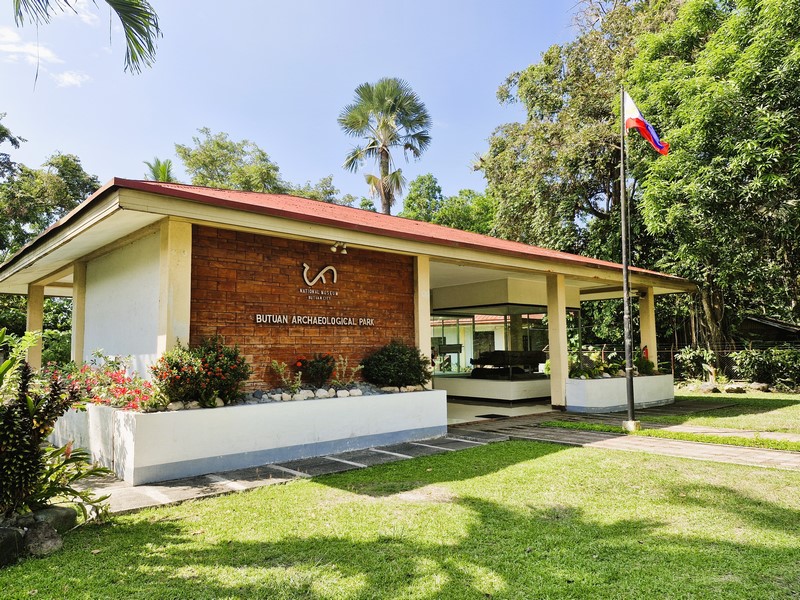
Balanghai Shrine & Museum
The archaeological site where ancient plank boats dating to 320 AD were unearthed in Butuan City — proof of a sophisticated pre-colonial seafaring civilisation. The National Museum's Balanghai Gallery displays the preserved boats alongside gold artefacts recovered from the same site.
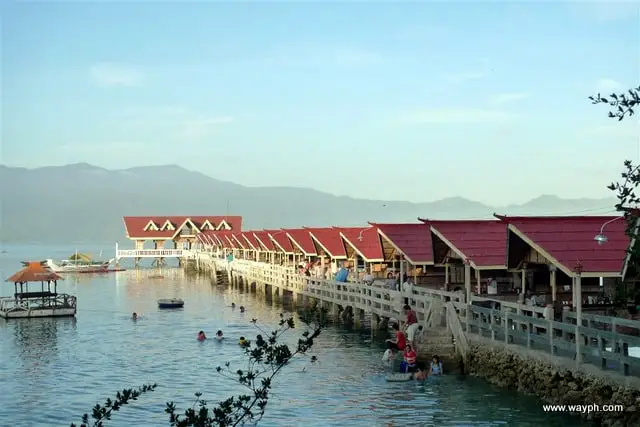
Masao Beach & River Mouth
A popular family beach where the Agusan River meets the Bohol Sea. The wide sandbar, mangrove-lined banks, and calm waters make it a favourite for picnicking, swimming, and watching the sunset over the river mouth. Accessible by tricycle from Butuan City centre.
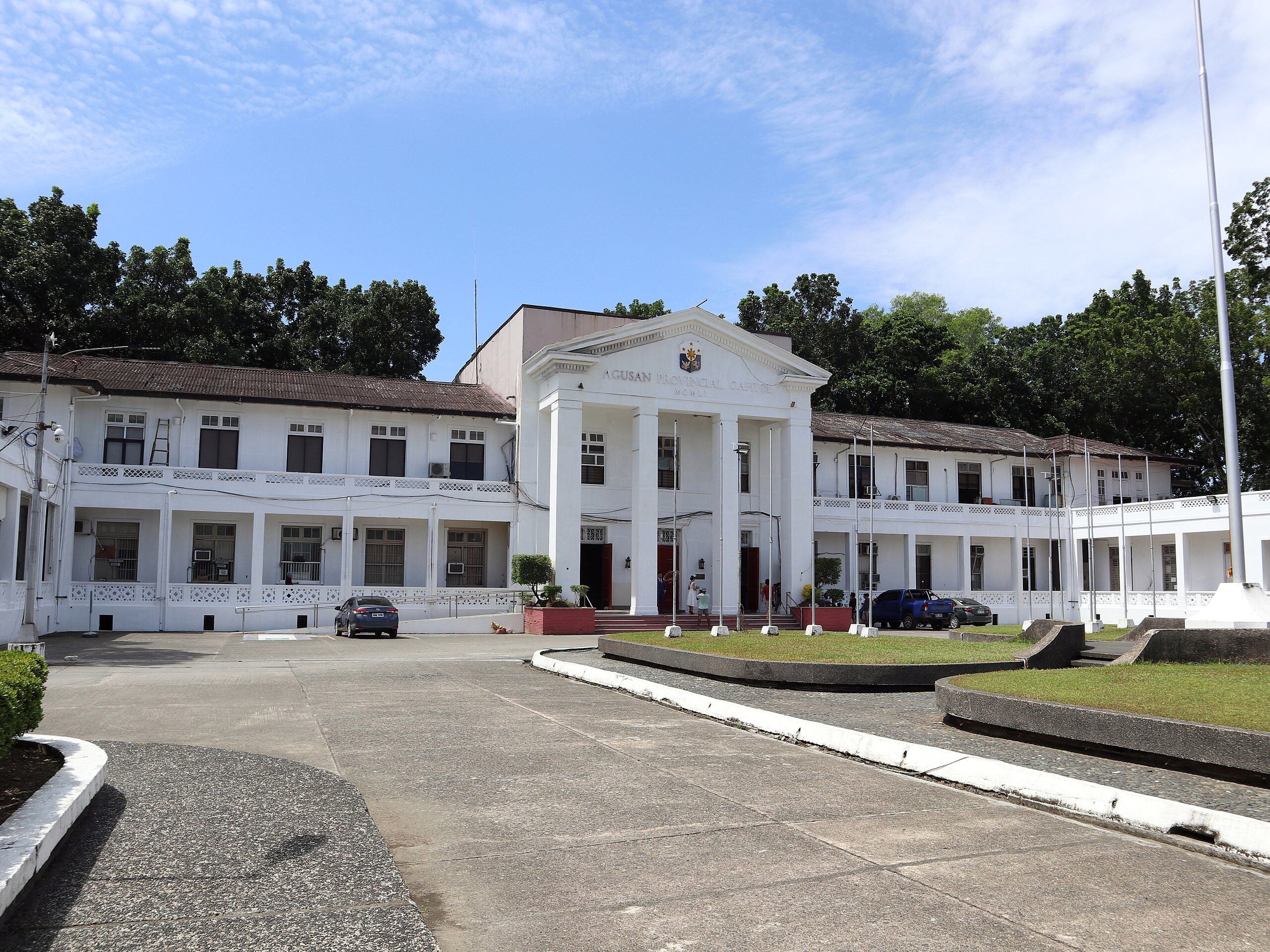
National Museum of the Philippines — Butuan
The Butuan branch of the National Museum houses one of the most significant archaeological collections in Southeast Asia — over 1,500 gold artefacts from the Rajahnate of Butuan, ceramic trade goods, burial jars, and detailed exhibits on pre-colonial Mindanao civilisation.
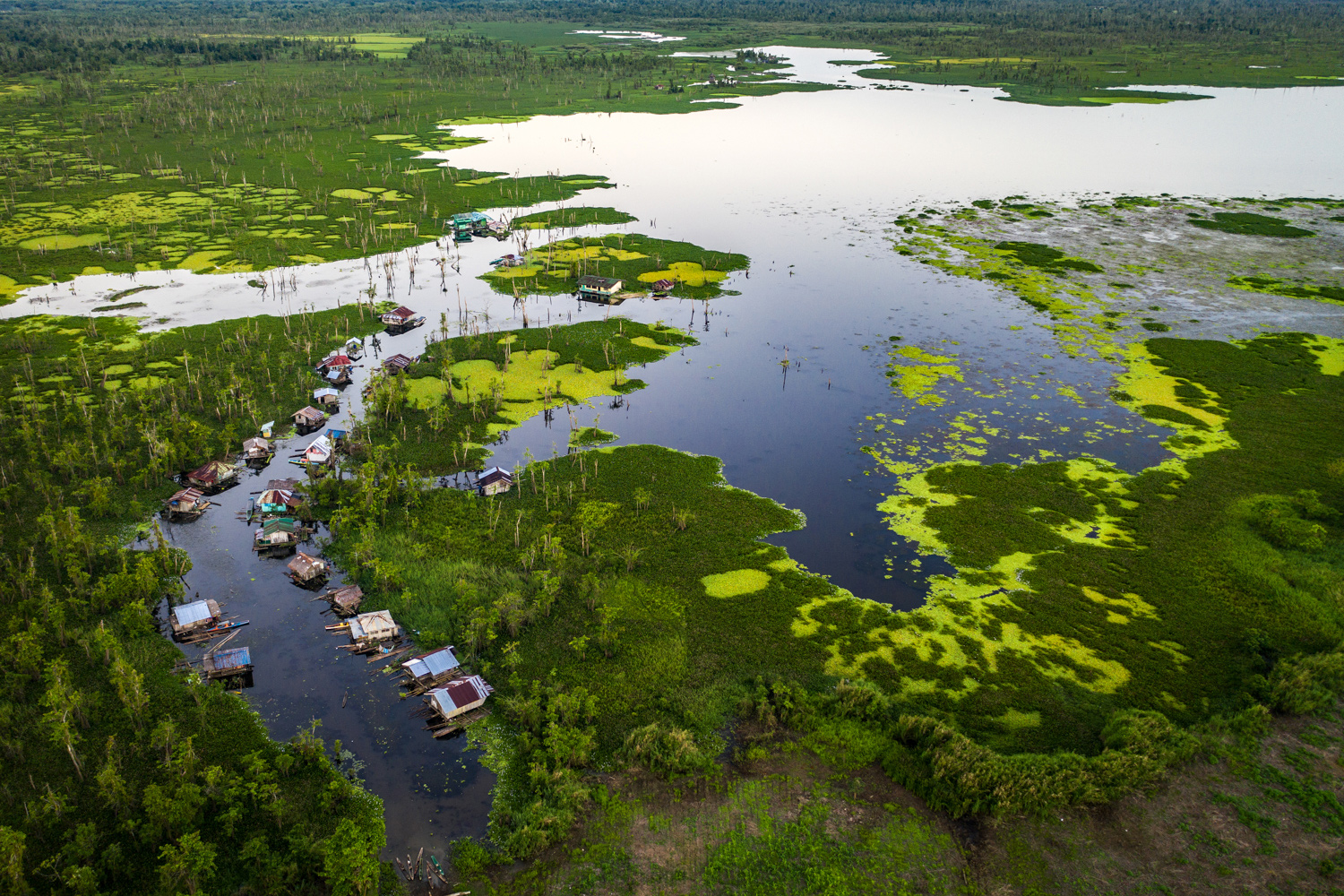
Agusan Marsh Wildlife Sanctuary
A Ramsar wetland of international importance covering over 14,000 hectares of freshwater swamp forest. Home to the critically endangered Philippine freshwater crocodile, migratory birds, and Manobo communities who live on remarkable floating reed islands called "barangay sa tubig." Boat tours explore the labyrinthine waterways.
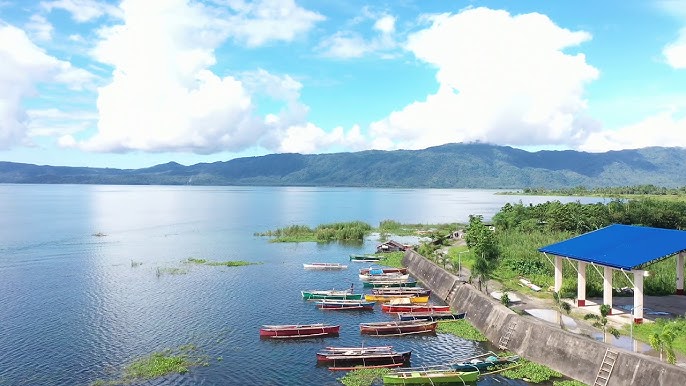
Lake Mainit
The fourth-largest and deepest lake in the Philippines, shared between Agusan del Sur and Surigao del Norte. Surrounded by lush mountains and known for its endemic freshwater sardines (tulingan), excellent fishing, and tranquil kayaking. The lake's shoreline communities maintain traditional boat-building practices.
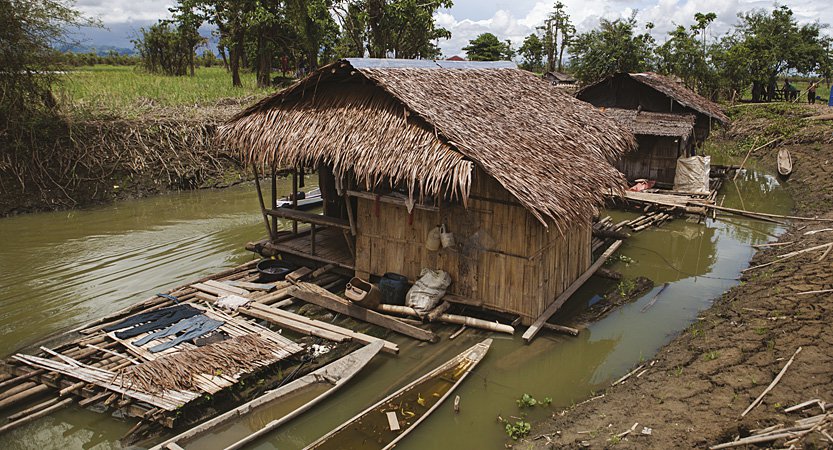
Manobo Cultural Village, Prosperidad
The capital of Agusan del Sur is a gateway to Manobo indigenous culture. Cultural village tours offer direct engagement with the Manobo people — traditional weaving demonstrations, the Buklog ritual thanksgiving, and guided forest walks with indigenous knowledge keepers. The provincial museum houses an extensive Manobo artefact collection.
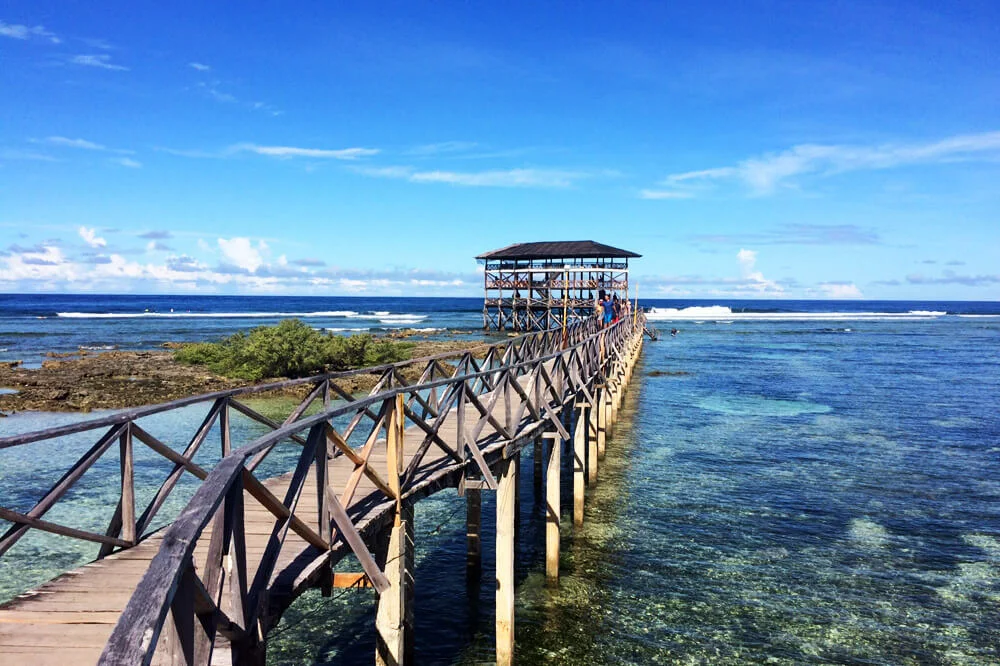
Siargao — Cloud 9
The surfing capital of the Philippines and one of Asia's finest waves. Cloud 9's powerful, barrelling right-hand reef break has hosted international competitions since 1996 and draws surfers from around the world. Non-surfers can watch from the iconic boardwalk tower and enjoy the island's laid-back lifestyle.
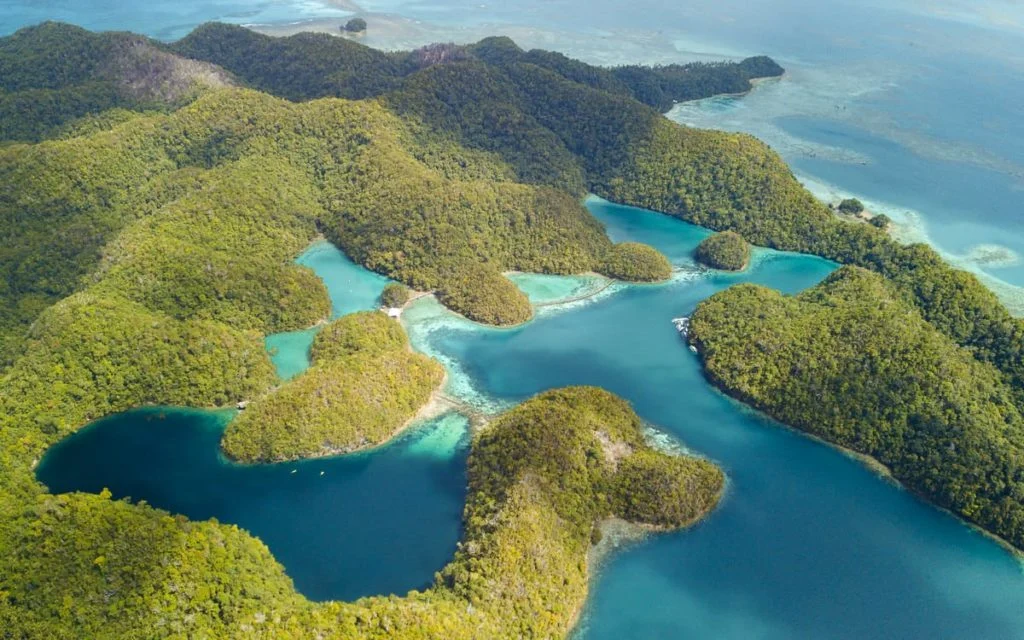
Sugba Lagoon
A stunning emerald lagoon framed by towering mangroves in the Del Carmen marine sanctuary on Siargao. Accessible only by boat, Sugba offers kayaking, paddleboarding, cliff jumping, and snorkelling in some of the clearest water in the Philippines. The 500-metre mangrove boardwalk is a highlight.
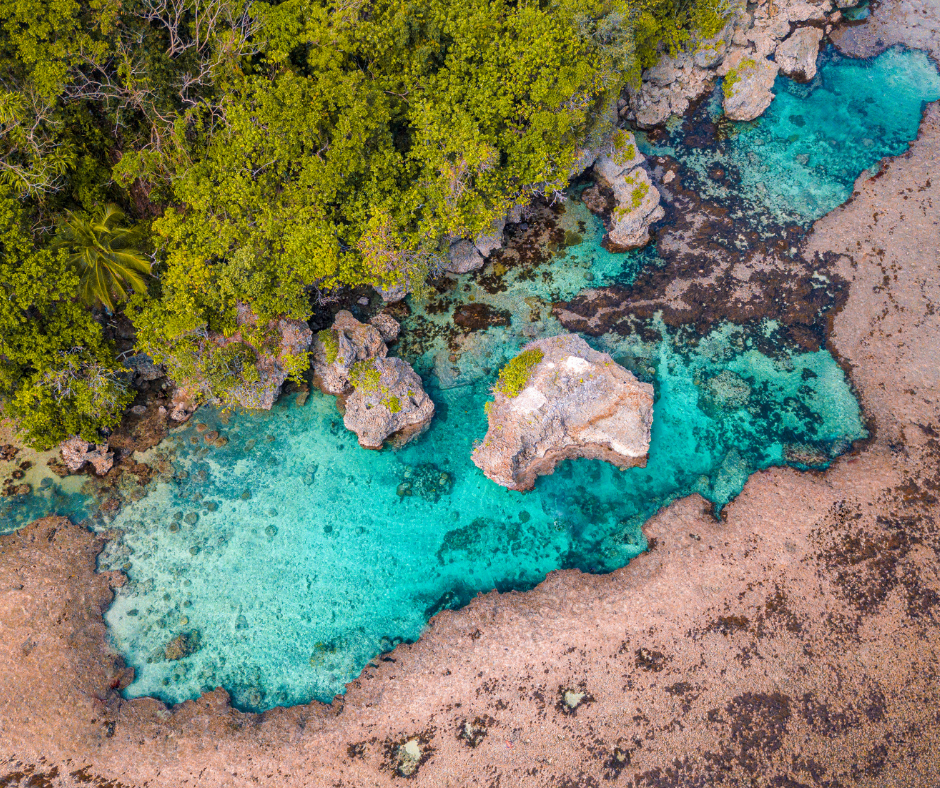
Magpupungko Rock Pools
Natural tidal rock pools carved by the Pacific Ocean on Siargao's northeastern coast. At low tide, the retreating sea reveals crystal-clear swimming pools of varying depths nestled among dramatic rock formations. The pools are only fully accessible during low tide — always check tide schedules before visiting.
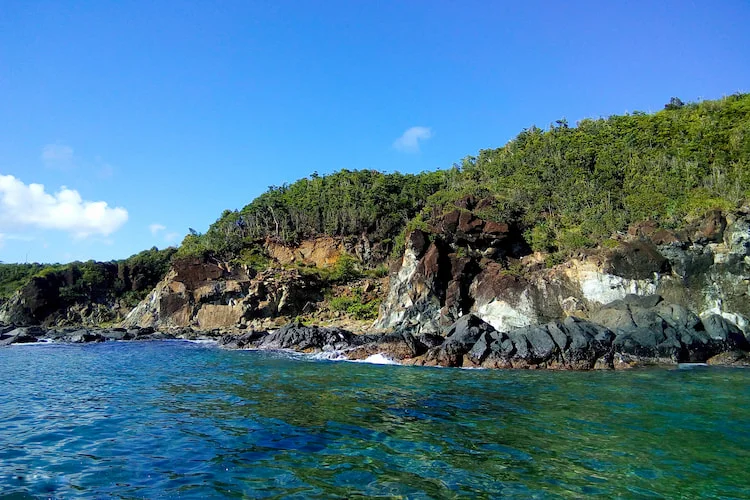
Homonhon Island — Magellan's First Landfall
A remote island in the Gulf of Leyte where Ferdinand Magellan's fleet made its first Philippine landing on March 17, 1521. Historical markers and a small museum commemorate the event. The island offers pristine beaches, excellent snorkelling, and extraordinary historical significance as the point where the "discovery" of the Philippines began.
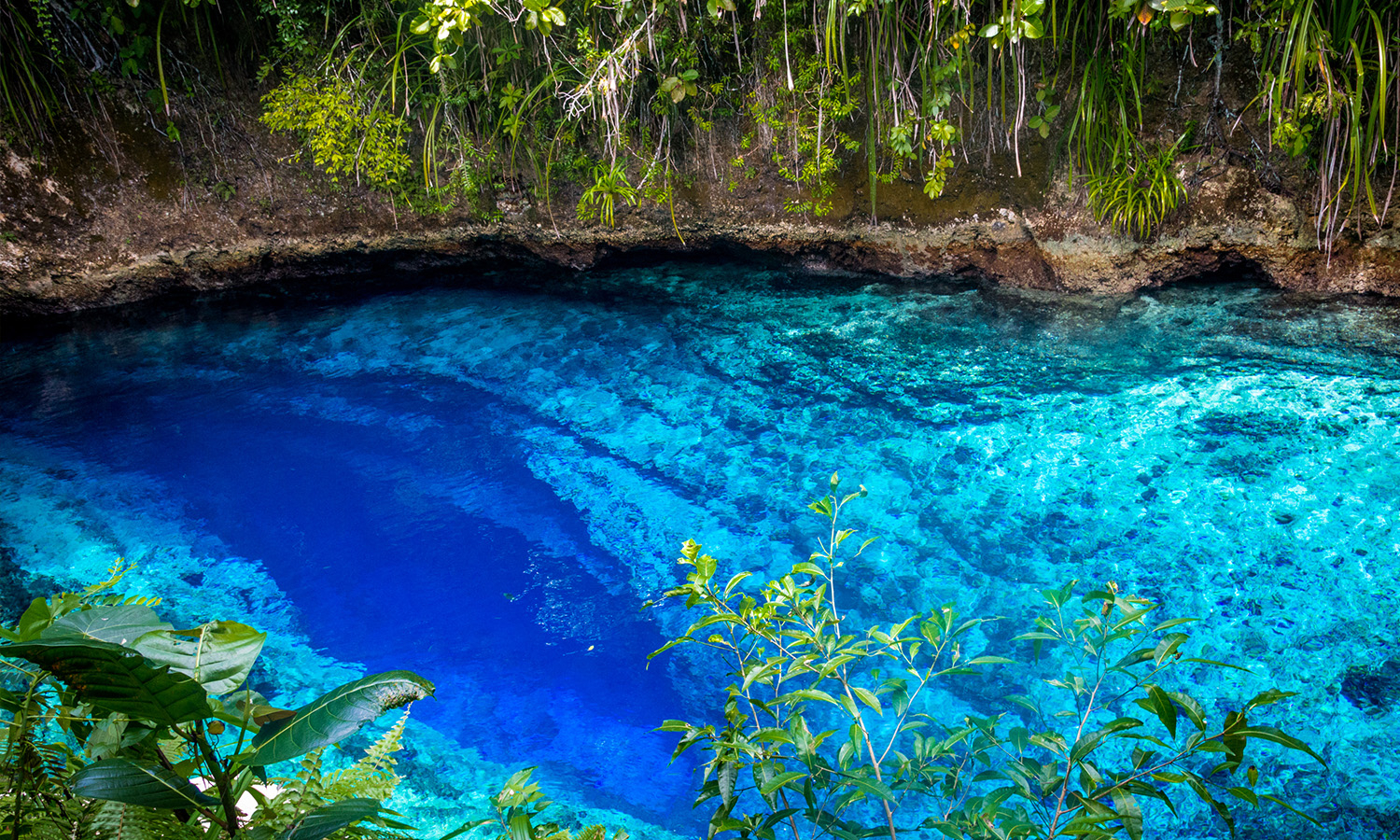
Hinatuan Enchanted River
A short, impossibly deep river fed by an underground cave system connecting it to the sea. Its cobalt-blue clarity is unlike anything else in the world. At noon daily, music plays and fish swarm up from the depths during the famous "feeding ritual." Divers have descended past 80 metres without touching the bottom. One of the Philippines' most photographed natural wonders.
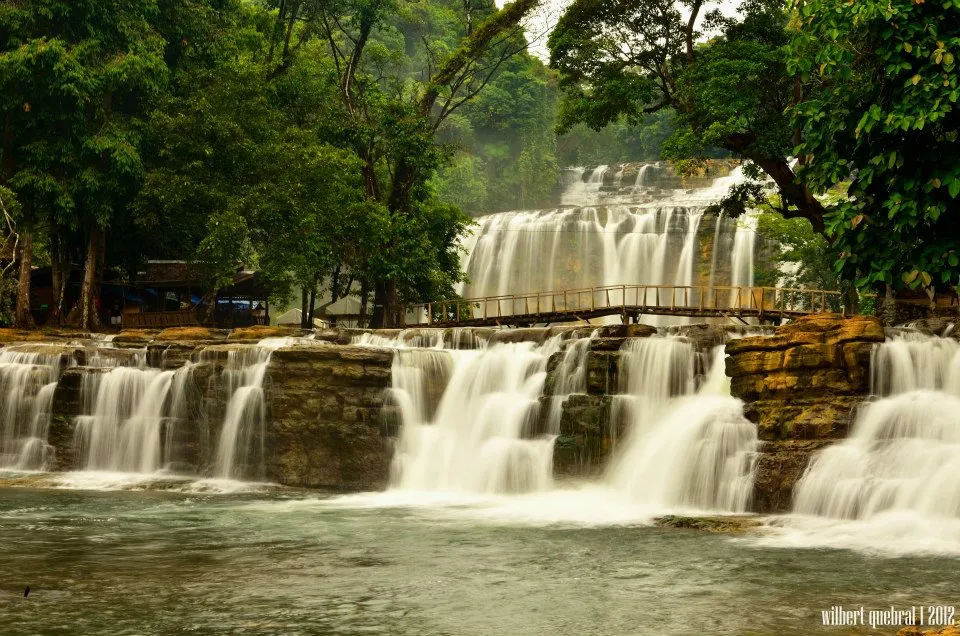
Tinuy-an Falls — Niagara of the Philippines
The widest waterfall in the Philippines — a three-tiered, 95-metre-wide curtain of white water cascading through dense tropical rainforest in Bislig City. Bamboo raft rides carry visitors to the thundering base of the falls. Rainbow arches appear in the morning mist. Most spectacular after heavy rains when all three tiers run at full force.
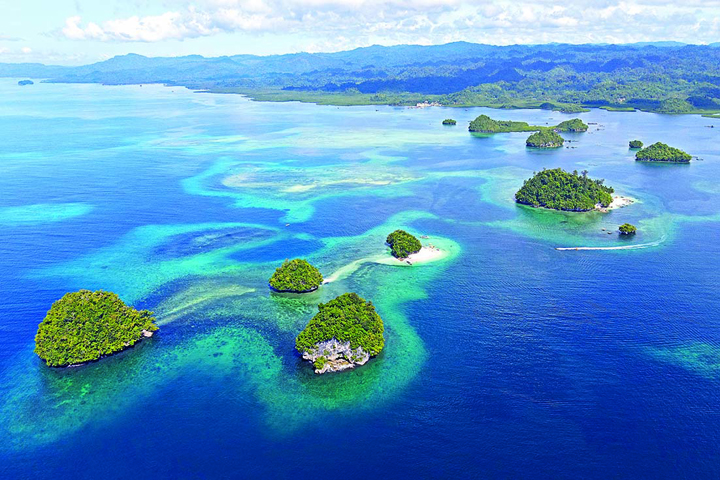
Britania Group of Islands
A breathtaking archipelago of 24 pristine islets off San Agustin — each a postcard of powdery white sand, swaying palms, and emerald water. Island hopping visits Hagonoy Island's famous sandbar, Buslon Island, and Pison Island. Coral gardens offer excellent snorkelling. Far less crowded than El Nido but just as stunning.
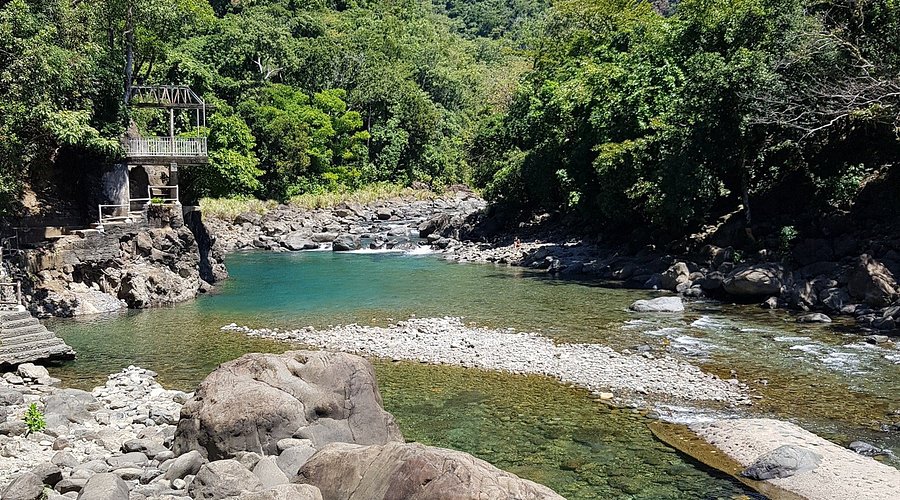
Cantingas River
A crystal-clear river flowing through Bislig City's protected forest, where the riverbed is visible at depths of several metres. Cool, calm water ideal for swimming, bamboo rafting, and picnicking. Community eco-tourism programs run by local Manobo guides offer river treks and cultural immersion in the forest buffer zone.
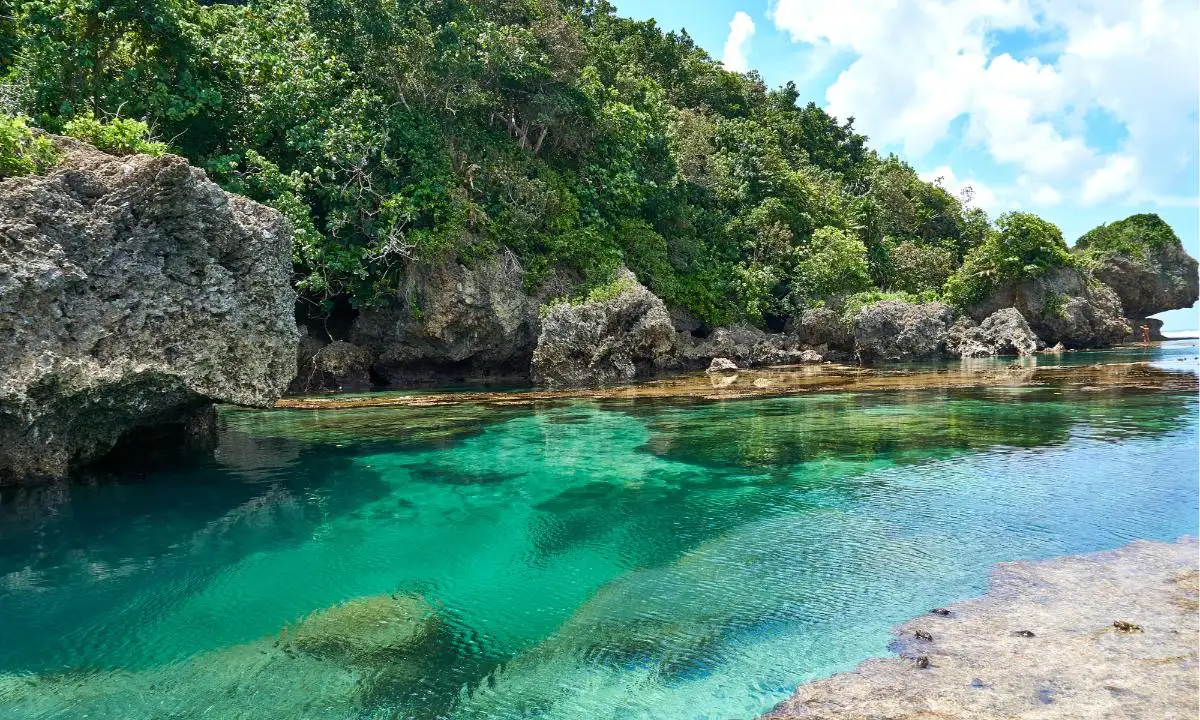
Sohoton Cove, Dinagat
A cathedral of volcanic rock formations, narrow tidal passages, and bioluminescent plankton that light up the water at night like scattered stars. Visitors can swim with non-stinging jellyfish in the sheltered inner lagoon. The cove is accessible only at specific tides — boat tours depart from Loreto or San Jose. One of the Philippines' most dramatic natural spectacles.
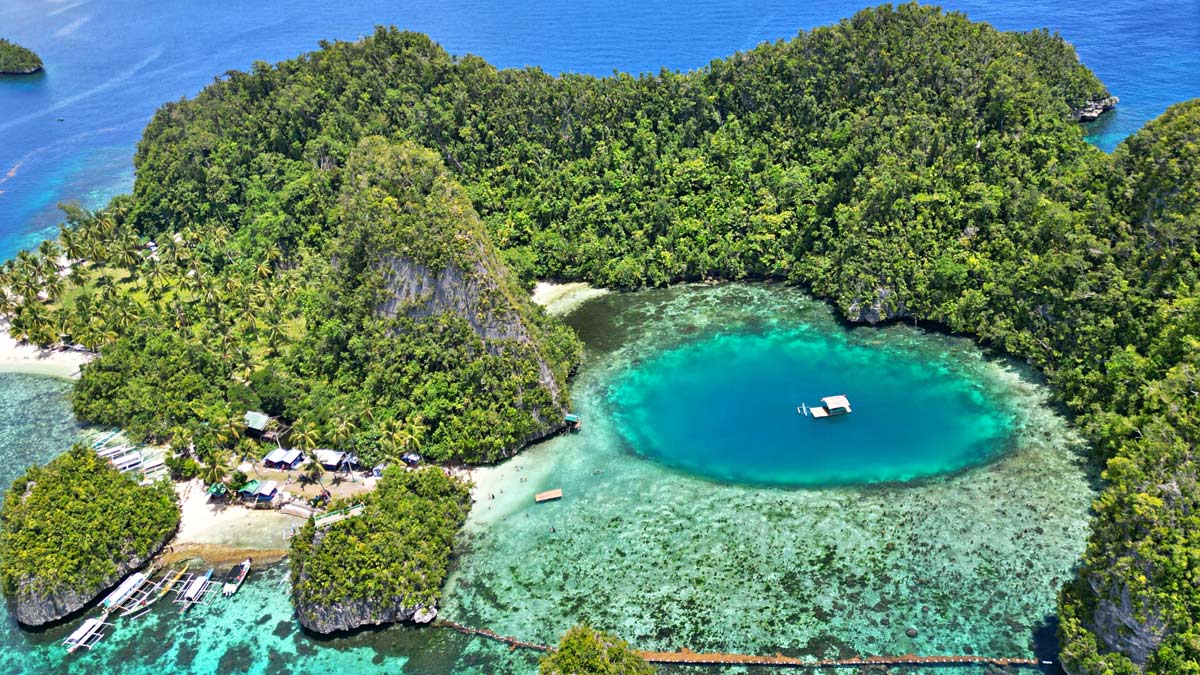
Dinagat Volcanic Rock Arches
Dramatic natural arches and sea stacks sculpted by millennia of wave action from Dinagat's volcanic limestone coastline. Island-hopping tours pass through narrow channels beneath towering rock walls and into hidden sea caves. The province's geological character is unlike anywhere else in the Philippines — raw, volcanic, and deeply ancient.
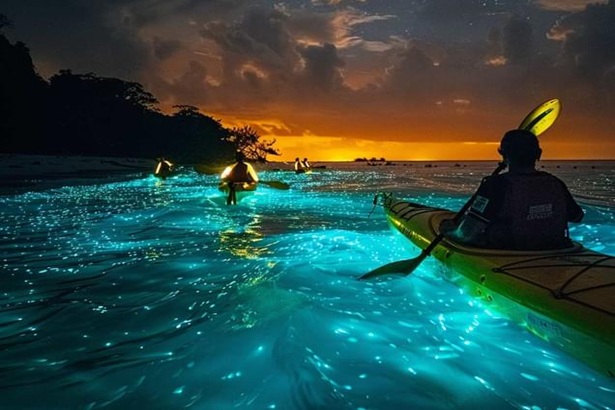
Bioluminescent Night Kayaking
After dark, the protected bays of Dinagat come alive with bioluminescent plankton — each paddle stroke and wave of the hand traces glowing blue-green trails through the black water. Night kayaking tours depart from local boatmen in San Jose. A surreal, once-in-a-lifetime experience that has to be seen to be believed.
No spots found
Try selecting a different province filter above.